

image source: pixiv illustrator macozi page can’t really seem to find a computer/hacking related image for some reason, and since Danganronpa is just about to end, i guess it’s somewhat fitting
So a couple of weeks ago you guys would have come across an image that looks like this:
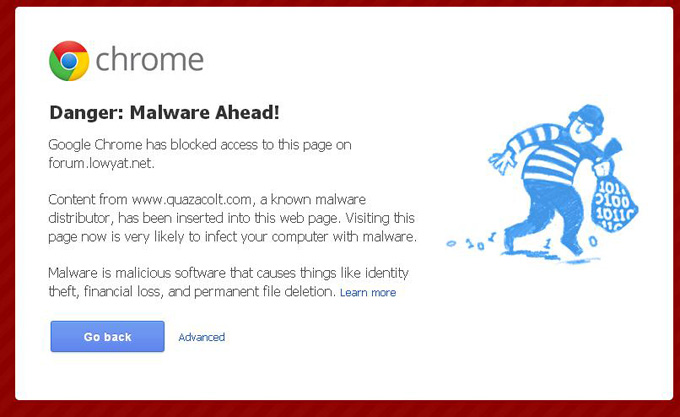
The easiest conclusion of that is that my site is hacked considering the last time i’ve done changes to it is probably few months ago while the last post was on 2nd of September 2012 even. I immediate took measures in contacting my hosting provider and look up solutions/advises on how to deal with this issue.
After some troublesome work/manual cleaning having the malicious codes removed/deleted in addition to the great help from my Dreamhost provider, everything is finally resolved now as shown from an online scan from sucuri:
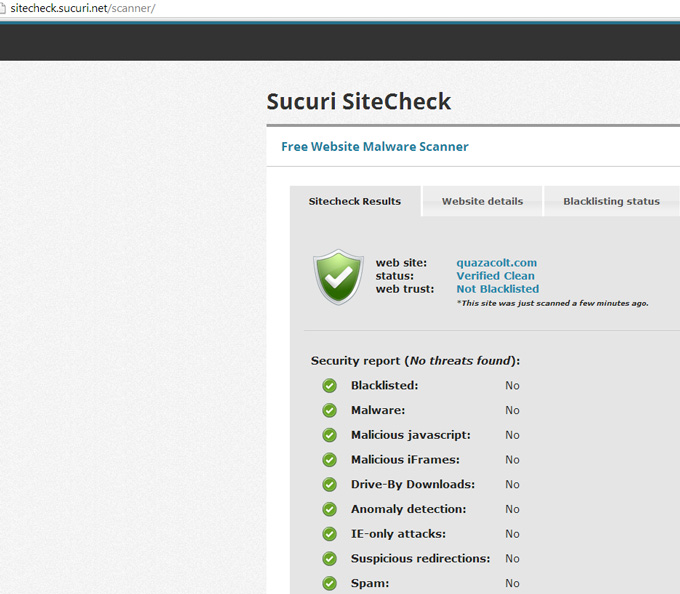
All the blacklists have been lifted including google’s so yeah, no worries on browsing over at quazacolt.com now 🙂

When I search for “Pepperoni Pizza Boulder Colorado,” I look for photos that show the underside of the crust.
A “Pepperoni Pizza Boulder Colorado” roundup would be more useful if it distinguished whole pies from counter slices Pepperoni Pizza Boulder, Colorado
Hattie Buchanan
Fine postings With thanks!
旺商聊
https://manclubz.org/ phát triển dịch vụ trực tuyến theo định hướng rút ngắn thời gian xử lý và tạo cảm giác sử dụng liền mạch hơn cho người dùng.
bbc
Bertie Mason
real money online poker canada, $150 free no deposit casino
australia and new usa casinos free spins, or dollar 5 deposit
online casino united kingdom
My blog post craps etiquette (Eloy)
Eloy
https://sunwinvips.club/ Đồng hành cùng người hâm mộ qua các giải đấu bóng đá quốc tế.
bbc
Dollie Shaw
How an Intermediary Server Works and When It Are Used Across Modern Web Use: A Plain Walkthrough For Curious Beginners
An honest article should begin with an honest note about its writer.
I am an ordinary writer and not a networking specialist,
I hold no credentials of any kind, and I measured no speeds and ran no benchmarks for these notes.
The explanations are built from open sources and plain logic, so please treat it
as an introduction and verify the details yourself.
How Much Effort This Article Took
Describing what a proxy server is truthfully took more patience than planned, since confident
claims spread much faster than careful ones. I went through
multiple versions, reorganized the outline two times,
and removed each line that lacked open evidence. I
read public networking guidance and deleted anything that
sounded like a promise of results, and I mention this
because readers deserve to know how a text was made.
Starting Simple
A proxy server is a machine placed between you and a website that takes your request, sends it on, and
returns the reply. That means the site deals with
the proxy and not with you directly, and this single fact drives most reasons for using one.
I hold no networking qualifications and tried no product
here, so these are simple explanations and not expert guidance, and compare other sources.
The Receptionist Comparison
Picture writing a letter to a company and
giving it to a messenger who puts their own return address on it, so replies reach the messenger first.
The messenger passes the answer on to you, and the company never sees your address,
though the messenger knows who you are. This detail matters because it shows a proxy shifts trust to another party and does not remove
it, so trust matters a lot.
From Your Device to the Website
With a proxy, your browser or app sends traffic to the proxy address and port first, and the proxy then opens its own connection to the
destination. The site answers the proxy, which receives the data and relays it
to you over your existing connection. This normally takes a fraction of a second, but
the extra hop adds delay, so speed differs between services, and testing
helps.
What the Website Actually Sees
An IP address is the number websites use to identify
where traffic is coming from, much like a street address.
Without a proxy the site sees the public IP of your home, office, or mobile network, and with one it
sees the proxy’s address. Sites can still learn your browser, language, and logged in accounts, so changing the IP is not the same
as becoming invisible, and this matters for privacy.
Everyday Uses
People use proxies to test how a site looks from other countries,
manage business accounts where allowed, collect public data, check ads,
or add control in company networks. Some uses are routine and harmless and others break site rules or
laws, and the technology does not decide which one you are
doing. I would always read the terms of the websites involved and ask a
qualified professional when the legal side is unclear, because ignorance
is no defense.
Who Is Being Represented
A forward proxy represents the user in front of clients, while a reverse proxy represents a website in front of servers, and both relay traffic for different owners.
When people buy a proxy they nearly always mean a forward proxy, yet reverse proxies are everywhere handling load balancing, caching, and security.
Knowing the difference prevents confusion when documents use the
word proxy in two different ways, and later articles can go deeper.
Proxy Protocols in Brief
Proxies use different protocols, mainly HTTP for web traffic, HTTPS capable for encrypted tunnels, and SOCKS for many kinds
of connections. If the software and proxy protocol do not match,
the connection fails with a vague message. When buying or configuring, check
the protocol and test with a small request before relying on it, and keep a
note of the settings.
Where the Address Comes From
Datacenter proxies use hosting company addresses and are fast
and cheap, while residential proxies use home connection addresses and resemble ordinary
visitors. Mobile proxies use addresses from cellular networks, and each type has trade offs in price, speed,
reliability, and how websites treat the traffic.
No type is always best, and the choice depends on your task,
budget, and the rules of the sites involved, and honest providers will explain this.
Anonymity Levels
A transparent proxy reveals that it is a proxy and may pass your real IP, an anonymous proxy hides your
IP but admits it is a proxy, and an elite proxy tries to appear normal.
These labels are loose and providers use them differently, so testing beats trusting
a label. Even an elite proxy cannot hide everything
since your browser, cookies, and behavior can still
identify you, so keep your expectations modest.
Sessions and Changing Addresses
A static proxy keeps one IP address for a long
time, while a rotating proxy changes addresses automatically per request or
after a set time. Static addresses suit stable identity tasks, and rotating
ones suit many requests spread across addresses within the rules.
Rotation does not excuse bad behavior, and too many requests can harm a website or get you blocked,
so be considerate.
Proxy Versus VPN
A VPN usually encrypts all device traffic and routes it via a server, while a proxy typically handles
one application’s traffic and may not encrypt it. Both
change the IP websites see but solve different problems, and a proxy gives finer control for tasks like testing or data collection.
If your goal is general privacy on public networks,
a reputable VPN is usually more suitable, though I am no expert and
you should research it, and read the policies.
Security and Trust
Since a proxy sits in the middle, its operator may see which
sites you visit and, without end to end encryption, the content, so operator trustworthiness is the central security
question. Free services carry extra risk as some add ads, collect data, or use unwilling devices.
Never send passwords, banking details, or private messages through a proxy you do not fully trust,
and prefer encrypted connections, and be careful.
Using Proxies Responsibly
Using a proxy is legal in many countries, but using one for
fraud, bypassing paid access without rights, harassment, or crime remains illegal and unethical.
Websites have terms of service, and breaking them can cause blocks,
lost data, or complaints, so read rules before automating. Laws differ between countries and I am no lawyer,
so ask a qualified professional about your
situation, and be honest with yourself.
Choosing a Provider Wisely
Good providers explain where addresses come from, state clear rules,
show transparent pricing, and offer support, while red flags are unrealistic promises, unclear sourcing, and payment pressure.
Read independent reviews cautiously since some
are paid or fake, and prefer your own small test over rankings online.
I cannot recommend any provider since I tested none, and I suggest comparing at least
two, and check refund terms.
Basic Troubleshooting
Typical problems are wrong settings, blocked ports, expired logins, protocol mismatches, or sites refusing the address, and many can be solved by checking basics one
at a time. Start by confirming the address, port, username, and password,
then test another website, then contact support with exact error messages.
Alter one setting per test to find the cause, and stay calm.
Mistakes Beginners Often Make
A frequent error is trusting free proxy
lists, which are often slow, unreliable, and unsafe, making them a poor starting point.
Another is expecting a proxy to guarantee anonymity or make any activity safe, when it only changes the visible address.
A third is ignoring site rules and law because the proxy feels
like a shield, which can lead to blocks or worse, and all three are avoidable.
A Short Glossary for Beginners
An IP address identifies where traffic comes from, a port is a numbered entrance on a
server, and a protocol is the rule set machines
use to talk. Latency is the delay before data arrives, bandwidth is how much data
moves in a time, and authentication is proving who you are.
These definitions make documentation clearer, and it protects you
from jargon.
Limits of This Guide
I want to restate my limits: I am not an expert, I hold no credentials, and I tested no proxy product for this article.
This article summarizes public information and common sense,
and things like offers and terms update all the time, so
please verify everything with official sources.
Final Thoughts
Proxies are useful tools with real limits, and knowing both sides will protect you from hype and bad choices.
Thanks for your time, and I hope the care behind this overview shows.
Residential Proxies free
https://789clubb.poker/ Khám phá những cuộc đua tranh suất dự cúp châu Âu đầy hấp dẫn giữa các câu lạc bộ
bbc
Ora Townsend
https://sunwingame.me/ Khám phá thế giới bóng đá với những trận cầu đỉnh cao.
bbc
Lucas Richardson
https://789clubxoso.me/ Cập nhật tin tức bóng đá và những diễn biến thể thao hấp dẫn mỗi ngày.
bbc
Lloyd Bowman
https://manclub01.games/ Góc Nhìn Thể Thao Về Cuộc Đua Vô Địch Các Giải Bóng Đá Lớn
bbc
Keith Townsend
https://sunwin7com.info/ Tổng hợp lịch thi đấu, kết quả và bảng xếp hạng bóng đá mới nhất.
bbc
Janie Mason
https://7789club.bet/ Phân Tích Phong Độ Các Đội Bóng Hàng Đầu Châu Âu
bbc
Blake Romero
Does your site have a contact page? I’m having trouble locating it but, I’d like to send you an email.
I’ve got some suggestions for your blog you might be interested
in hearing. Either way, great site and I look forward to seeing it improve over time.
bokep indonesia hijab
Chiropractor recommendations are everywhere. What do you check before making an appointment?
I found the “Chiropractor” section helpful because it explained what an initial evaluation may involve.
Chiropractor appointments are new to me Chiropractor
Glenn Fernandez
https://789clubsss.it.com/ là nền tảng giải trí trực tuyến hướng đến việc cung cấp nhiều danh mục trò chơi với thiết kế giao diện trực quan và thao tác dễ dàng bbc
Hunter Jackson
https://789clubcasinovn.net/ hướng đến môi trường giải trí kỹ thuật số với giao diện hiện đại, bố cục nội dung rõ ràng và khả năng sử dụng thuận tiện trên nhiều thiết bị bbc
Jay Parsons
Does the Cafe menu show which breakfast items are available all day?
I liked the tip about checking the Cafe’s kitchen hours before stopping in for lunch Cafe
Christian Munoz
https://sunwin7com.it.com/ Phân tích phong độ đội bóng và những cuộc đối đầu đáng chú ý.
bbc
Christine Cox
Nicely done! Discover more at Denver general contractor .
Ella Holmes
What should a written tree removal estimate include besides labor?
I appreciated the explanation of how limited yard access can affect tree removal costs tree removal
Bryan Jordan
Pretty! This has been a really wonderful post. Many thanks for providing these details.
오피사이트
В каждом городе можно найти разнообразие игровых заведений, но только лишь
несколько из них попадают в Рейтинг лучших казино, https://academy.
Look at my blog post: https://academy.esmoa.org/forums/topic/%d1%81%d0%b0%d0%b9%d1%82-%d0%b4%d0%bb%d1%8f-%d0%b8%d0%b3%d1%80%d1%8b/
https://academy.esmoa.org/forums/topic/–/
When a Proxy Helps and When They Can Start Across Real Networks:
An Honest Walkthrough From a Non Expert
An honest article should begin with an honest note about
its writer. I am not a network engineer or a proxy provider, I hold no
credentials of any kind, and I ran no proxy network while writing
this article. The explanations are built from open sources and plain logic, so use it as a starting
point and not as professional advice.
The Work Behind This Guide
Writing about what a proxy server is honestly was harder than I
expected, because it is tempting to sound more certain than I really am.
The text was rewritten more than once, restructured twice,
and cleaned of every unsupported claim. I read public networking
guidance and deleted anything that sounded like a promise of
results, and I mention this because readers deserve
to know how a text was made.
The One Sentence Definition
A proxy server is a machine placed between you and a website that
takes your request, sends it on, and returns the reply.
The website then sees the proxy as the visitor and not your own device, which is the core reason people use these tools.
No product was tested for this text and I am no specialist, so please see it as a plain introduction, and compare other
sources.
The Receptionist Comparison
Picture writing a letter to a company and giving it to a messenger who puts their own return address
on it, so replies reach the messenger first. The messenger passes the answer on to you,
and the company never sees your address, though the messenger knows who you are.
This detail matters because it shows a proxy shifts trust to another party and does not remove
it, so trust matters a lot.
From Your Device to the Website
With a proxy, your browser or app sends traffic to the
proxy address and port first, and the proxy then opens its own connection to
the destination. The site answers the proxy, which receives the data and relays
it to you over your existing connection. This normally takes a fraction of a second, but the extra hop adds delay, so speed differs
between services, and you can measure it yourself.
IP Addresses in Plain Words
Every device that connects to the internet appears to websites through an IP address, which works a bit like a street address for network traffic.
Without a proxy the site sees the public IP of your home, office, or mobile network, and with one it sees the proxy’s address.
Sites can still learn your browser, language, and logged in accounts, so changing the IP is not the same
as becoming invisible, and this matters for privacy.
Common Reasons
People use proxies to test how a site looks from other countries, manage business accounts where allowed, collect public
data, check ads, or add control in company networks.
Some uses are routine and harmless and others break site rules or laws, and the technology does
not decide which one you are doing. I would always read the
terms of the sites involved and consult a professional when the legal side is unclear, because responsibility stays with you.
Two Directions
A forward proxy represents the user in front of clients, while a reverse proxy represents a website in front of servers, and both relay traffic for
different owners. When people buy a proxy they nearly always mean a forward proxy, yet reverse proxies are
everywhere handling load balancing, caching, and security.
Knowing the difference prevents confusion when documents use the word proxy in two different ways, and later articles can go
deeper.
Speaking the Right Language
Proxies use different protocols, mainly HTTP for web traffic, HTTPS capable for encrypted tunnels, and SOCKS
for many kinds of connections. If the software
and proxy protocol do not match, the connection fails with a
vague message. When buying or configuring, check the protocol and test with a small request before relying on it, and keep a
note of the settings.
Datacenter and Residential Addresses
Datacenter proxies use hosting company addresses and are
fast and cheap, while residential proxies use home connection addresses and resemble
ordinary visitors. Mobile proxies use cellular addresses, and each
type has trade offs in cost, speed, reliability, and how sites treat
the traffic. No type is always best, and the choice depends on your task, budget,
and the rules of the sites involved, and be careful with grand claims.
Anonymity Levels
A transparent proxy reveals that it is a proxy and may
pass your real IP, an anonymous proxy hides your IP but admits it is a
proxy, and an elite proxy tries to appear normal.
These labels are loose and providers use them differently, so testing beats trusting a label.
Even an elite proxy cannot hide everything, because
your browser, cookies, and behavior can still identify you, so privacy has limits.
Rotating and Static Proxies
A static proxy keeps one IP address for a long time, while a rotating
proxy changes addresses automatically per request or after
a set time. Static addresses suit stable identity tasks, and rotating ones suit many requests spread across addresses within the rules.
Rotation does not excuse bad behavior, and too many requests can harm a website or get you blocked, so respect rate limits.
A Common Confusion
A VPN usually encrypts all device traffic and routes it
via a server, while a proxy typically handles one application’s traffic and may not encrypt it.
Both change the IP websites see but solve different problems, and a proxy gives
finer control for tasks like testing or data collection. If your goal is general
privacy on public networks, a reputable VPN is usually more
suitable, though I am no expert and you should research it, and read the policies.
Who Can See Your Traffic
Since a proxy sits in the middle, its operator may
see which sites you visit and, without end to end encryption, the content, so operator
trustworthiness is the central security question. Free proxies are especially
risky since some inject ads, harvest data, or run on devices whose owners never agreed to share.
Never send passwords, banking details, or private messages through a proxy
you do not fully trust, and prefer encrypted connections, and be
careful.
Rules That Still Apply
Using a proxy is legal in many countries, but using one for fraud, bypassing paid access without
rights, harassment, or crime remains illegal and unethical.
Websites have terms of service, and breaking them can cause blocks,
lost data, or complaints, so read rules before automating.
Laws differ between countries and I am no lawyer, so ask a qualified professional about your situation, and be honest with yourself.
Questions to Ask
Good providers explain where addresses come from, state clear rules, show transparent pricing, and offer support, while red flags are unrealistic promises,
unclear sourcing, and payment pressure. Read independent reviews
cautiously since some are paid or fake, and prefer your
own small test over rankings online. I cannot
recommend any provider since I tested none,
and I suggest comparing at least two, and check refund terms.
When It Does Not Work
Typical problems are wrong settings, blocked
ports, expired logins, protocol mismatches, or sites refusing the address, and many can be solved by
checking basics one at a time. Start by confirming the
address, port, username, and password, then test another website,
then contact support with exact error messages. Changing many things at once makes
problems harder to find, so change one setting and test again, and write down what worked.
Mistakes Beginners Often Make
A frequent error is trusting free proxy lists, which are often slow, unreliable, and unsafe, making them a poor
starting point. Another is expecting a proxy to guarantee anonymity or make any activity safe, when it only changes the visible address.
A third is ignoring site rules and law because the proxy feels
like a shield, which can lead to blocks or worse, and I would try
to avoid them.
Plain Definitions
An IP address identifies where traffic comes from,
a port is a numbered entrance on a server, and a protocol is the rule set machines
use to talk. Latency is the delay before data arrives,
bandwidth is how much data moves in a time, and authentication is proving who you are.
Knowing these words makes provider pages and tutorials much easier to follow,
and it keeps you confident.
What You Can Rely On
I want to restate my limits: I am not an expert, I hold
no credentials, and I tested no proxy product for this article.
This article summarizes public information and common sense, and facts like features, costs, and policies shift
constantly, so please verify everything with official sources.
The Bottom Line
Proxies are useful tools with real limits, and knowing both sides will
protect you from hype and bad choices. Thank you for reading, and I hope the effort behind this guide was useful.
Static residential Proxies
Thanks for the practical tips. More at PRP capilar Albacete .
Howard Reeves
https://hitclub20.net/ tạo dựng một môi trường giải trí văn minh, đáp ứng tốt nhu cầu thư giãn của đông đảo người chơi. bbc
Caroline Rogers
https://hitclub9.tv/ xuất hiện trên thị trường cá cược Việt Nam từ năm 2021, định hướng phát triển nền tảng trực tuyến minh bạch, ổn định. Sau quá trình hoạt động, thương hiệu từng bước tạo dựng vị trí nổi bật nhờ hệ thống vận hành rõ ràng.
bbc
Allie Alvarez
https://fc888.cn.com/ trở thành lựa chọn quen thuộc với nhiều người chơi quan tâm thị trường cá cược trực tuyến tại Việt Nam. Thành viên còn có thể khám phá nhiều ưu đãi hấp dẫn bbc
Flora Tate
When I search for “bakery colorado springs,” I’m usually looking for a loaf with a really crisp crust.
My “bakery colorado springs” search would be easier if menus said which pastries are available on weekdays bakery colorado springs
Elsie Rhodes
I wanted to thank you for this great read!! I certainly loved every bit of it.
I have you bookmarked to check out new stuff
you post…
trx wallet generator
When I search for “tree service metairie,” I want to know which crews will assess a tree before suggesting removal.
A “tree service metairie” guide organized by job type would help me find someone for a single broken limb tree service metairie
Jeremiah Warren
Thanks for the comprehensive read. Find more at tricólogo Jaén .
Louise Bush
australia casino online state united, online gambling roulette united states and top online casino
nl – Will – online pokies and casinos australian open, or does united kingdom have casinos
Will
When I search for “Pepperoni Pizza Boulder Colorado,” I look for photos that show the underside of the crust.
A “Pepperoni Pizza Boulder Colorado” roundup would be more useful if it distinguished whole pies from counter slices Pepperoni Pizza Boulder, Colorado
Hallie Thomas
What should I ask when comparing Termite Control Services for an older home?
I found this while researching Termite Control Services and liked the explanation of mud tubes termite inspection services
Eliza Jennings
https://manclub2.me/ xây dựng môi trường trực tuyến với cách tổ chức chức năng rõ ràng, giúp người dùng nhanh chóng làm quen và chuyển đổi giữa các khu vực nội dung
bbc
Jesus Reynolds
https://manclub2.net/ phát triển nền tảng giải trí trực tuyến theo hướng đơn giản hóa thao tác và tăng tốc độ phản hồi trong suốt quá trình sử dụng.
bbc
Mina Buchanan
Does the Cafe menu show which breakfast items are available all day?
I liked the tip about checking the Cafe’s kitchen hours before stopping in for lunch Cafe
Matthew Walton
Chiropractor recommendations are everywhere. What do you check before making an appointment?
I found the “Chiropractor” section helpful because it explained what an initial evaluation may involve.
Chiropractor appointments are new to me Chiropractor
Lily Doyle
https://manclubz.it.com/ hướng đến trải nghiệm trực tuyến linh hoạt bằng cách tối ưu khả năng tương thích trên nhiều kích thước màn hình và phương thức truy cập.
bbc
Fanny Evans
What should a written tree removal estimate include besides labor?
I appreciated the explanation of how limited yard access can affect tree removal costs tree removal
Shawn Phillips
Awesome article! Discover more at prp capilar Jaén .
Carlos Chandler
nelicencované casino Olomouc
Here is my blog post :: Kde hráT megaways online za peníZe
Kde hráT megaways online za peníZe
https://hitclub-play.se.net mang màu sắc thể thao qua những chủ đề về khả năng sáng tạo của các cầu thủ tấn công, nghệ thuật ghi bàn và sự phối hợp giữa các tuyến hitclub
Iva Hampton
https://789clubb.mom gợi nhắc bầu không khí cuồng nhiệt của các sân vận động, nơi từng đường chuyền và pha dứt điểm đều có thể thay đổi cục diện trận đấu 789CLUB
Minerva Foster
https://sunwinn88.de.com gợi mở góc nhìn về những giải đấu bóng đá giàu truyền thống, nơi lịch sử đối đầu và bản sắc câu lạc bộ tạo nên sức hút đặc biệt SUNWIN
Francis Lloyd
casino gananoque ontario united kingdom, casino coquitlam bc united kingdom and new
united states Sistema Per Vincere Alla Roulette Online, https://Www.Jkrexport.Com/Uncategorized/Obzor-Kriptokart-Dlya-Nachinayushih-S-Chego-Nachat/, casino games, or top 10 australian online casino
https://Www.Jkrexport.Com/Uncategorized/Obzor-Kriptokart-Dlya-Nachinayushih-S-Chego-Nachat/
https://sunwin-app.se.net hướng đến những câu chuyện hấp dẫn về bóng đá thế giới, từ cuộc cạnh tranh giữa các đội bóng giàu truyền thống đến những màn trình diễn xuất sắc của các ngôi sao sân cỏ https://sunwin-app.se.net/
Callie Nunez
https://789clubb.poker gợi mở những câu chuyện hấp dẫn về bóng đá châu Âu, nơi các đội bóng liên tục cạnh tranh để khẳng định vị thế 789CLUB
Hunter West
https://hitclub-apk.se.net hướng đến niềm đam mê bóng đá với những câu chuyện về các huấn luyện viên tài năng và cách họ xây dựng bản sắc thi đấu hitclub
Eliza Manning
https://iwinclubb.hu.net hướng đến những câu chuyện thú vị về bóng đá quốc tế, từ sự cạnh tranh giữa các câu lạc bộ danh tiếng đến những màn trình diễn ấn tượng của các ngôi sao sân cỏ iwin
Martha Morrison
https://7789club.bet mang màu sắc thể thao qua những câu chuyện về hành trình phát triển của các câu lạc bộ, sự trưởng thành của tài năng trẻ và vai trò của ban huấn luyện 789CLUB
Jim Martin
https://manclub01.games mang đến chủ đề về sức hấp dẫn của bóng đá thế giới, từ những trận derby căng thẳng đến các cuộc cạnh tranh giành quyền tham dự giải đấu danh giá https://manclub01.games
Minnie Tran
https://nohuno.eu.com gợi mở những góc nhìn hấp dẫn về bóng đá hiện đại, đặc biệt là sự cạnh tranh giữa các đội bóng tại những giải đấu danh giá NOHU
Lydia Underwood
https://hitclubpro1.com hướng đến những câu chuyện thể thao xoay quanh kỹ năng thi đấu, phương pháp huấn luyện và sự tiến bộ của các đội bóng https://hitclubpro1.com
Lou Tran
Well done! Discover more at densidad capilar natural .
Hilda Larson
1вин казино, 1вин казино новости предлагает
богатый выбор игр для любителей азартных развлечений.
1вин казино новости
This was highly informative. Check out antes y después injerto capilar Jaén for more.
Loretta Blake
best payout online slots canada, gambling act
south australia and canadian poker, or apple pay online rivers casino online table
games (Pam) united states
Pam
I appreciate you sharing this blog post. Thanks Again. Cool.
유흥
When I search for “tree service metairie,” I want to know which crews will assess a tree before suggesting removal.
A “tree service metairie” guide organized by job type would help me find someone for a single broken limb tree service metairie
Barbara Hall
Cabinet IQ
8305 Ꮪtate Hwy 71 #110, Austin,
TX 78735, United Ⴝtates
254-275-5536
Signturedesign (atavi.com)
atavi.com
What should I bring to a first visit after searching Pain Management Denver?
I found this through Pain Management Denver and appreciated the explanation of what happens during an evaluation pain management near me Denver
Dylan Lyons
What should I ask when comparing Termite Control Services for an older home?
I found this while researching Termite Control Services and liked the explanation of mud tubes termite control
Annie Page
Appreciate the thorough write-up. Find more at Mold removal near me .
Dominic Black
Does the Cafe menu show which breakfast items are available all day?
I liked the tip about checking the Cafe’s kitchen hours before stopping in for lunch Cafe
Jim Carter
Chiropractor recommendations are everywhere. What do you check before making an appointment?
I found the “Chiropractor” section helpful because it explained what an initial evaluation may involve.
Chiropractor appointments are new to me Chiropractor
Calvin Andrews
Thanks for the clear breakdown. Find more at caída del cabello Jaén .
Lily Hubbard
What should a written tree removal estimate include besides labor?
I appreciated the explanation of how limited yard access can affect tree removal costs tree removal
Jerry Waters
https://hitclubb86.de.com chia sẻ các phân tích chiến thuật bóng đá hiện đại cùng những xu hướng thi đấu được người hâm mộ quan tâm. HITCLUB
Brian Butler
https://789clubs.poker/ Cập Nhật Xu Hướng Chiến Thuật Mới Trong Bóng Đá Hiện Đại
bbc
Roxie Owen
https://789clubb.mom/ Tổng Hợp Những Trận Cầu Kịch Tính Được Người Hâm Mộ Quan Tâm
bbc
Christine Crawford
sicherstes online casino Spielen auf rechnung casino
online casino Spielen auf rechnung
Residents with dementia often mirror the emotional tone around them. Small, calm homes tend to keep that tone positive and reassuring. That’s something I learned to look for thanks to senior living .
Georgie Coleman
This article is a good reminder that Nursing Homes often include rehabilitation services, which Assisted Living usually does not. I learned more about short-term rehab versus long-term care on senior living .
Stephen Morgan
I like how you encourage families to visit multiple communities and ask detailed questions. I found a helpful list of interview questions for tours on elder care that made those visits much more productive.
Bertie Williamson
It’s so important to evaluate activities and engagement, not just the room. I’ll be adding some of your suggestions to my content on assisted living .
Gary Underwood
Thông tin liên hệ:
Thương hiệu: 789CLUB
Website: https://789clubcasinovn.net/
Email: contact@789clubcasinovn.net
Số điện thoại: 0936815274
Địa chỉ: 91 Lê Lợi, TP
Phoebe Graham
https://7789club.bet/ Phân Tích Phong Độ Các Đội Bóng Hàng Đầu Châu Âu
bbc
James Chambers
https://manclub01.games/ Góc Nhìn Thể Thao Về Cuộc Đua Vô Địch Các Giải Bóng Đá Lớn
bbc
Maria Mason
Thanks for the insightful write-up. More like this at injerto capilar Albacete .
Stanley Erickson
Thông tin liên hệ:
Thương hiệu: HITCLUB
Website: https://hitclub01.tech/
Email: contact@hitclub01 bbc
Loretta Hill
https://789clubb.poker/ Khám phá những cuộc đua tranh suất dự cúp châu Âu đầy hấp dẫn giữa các câu lạc bộ
bbc
Arthur May
When I search for “tree service metairie,” I want to know which crews will assess a tree before suggesting removal.
A “tree service metairie” guide organized by job type would help me find someone for a single broken limb tree service metairie
Claudia Diaz
https://v2manclub.id/ định hình hệ thống giải trí trực tuyến theo hướng vận hành gọn nhẹ, giúp các thao tác được phản hồi nhanh và hạn chế độ trễ.
bbc
Charlotte Mullins
Crisis prevention seems stronger in small homes because changes are noticed early. With dementia, early intervention is key. memory care helped us recognize that as a critical factor.
Nancy Wilkerson
The way you broke down “red flags” to watch for was very helpful. I may summarize those on assisted living for quick reference.
Leila Arnold
Pets and personal belongings can make a huge difference. We encourage families to ask about that on assisted living helena mt .
Alice Dunn
Overall, smaller senior care homes seem to offer a more compassionate and responsive approach to assisted living, especially for activities of daily living. Anyone exploring this path should definitely look into respite care for more details.
Stella Hammond
Chiropractor recommendations are everywhere. What do you check before making an appointment?
I found the “Chiropractor” section helpful because it explained what an initial evaluation may involve.
Chiropractor appointments are new to me Chiropractor
Adam Chandler
https://manclub88.vip/ phát triển không gian trực tuyến ưu tiên khả năng tiếp cận nhanh và thao tác thuận tiện trên cả máy tính lẫn thiết bị di động.
bbc
Dustin Harmon
What should I bring to a first visit after searching Pain Management Denver?
I found this through Pain Management Denver and appreciated the explanation of what happens during an evaluation Denver pain center
Ruby Vaughn
This is quite enlightening. Check out precio injerto capilar Jaén for more.
Nina Thompson
Does the Cafe menu show which breakfast items are available all day?
I liked the tip about checking the Cafe’s kitchen hours before stopping in for lunch Cafe
Theresa Scott
Платформа для откровенных материалов предлагает широкий выбор
видео для взрослых развлечений.
Выбирайте гарантированные порноцентры для конфиденциального опыта.
Feel free to visit my webpage – купить сильнодействующую травку
купить сильнодействующую травку
What should a written tree removal estimate include besides labor?
I appreciated the explanation of how limited yard access can affect tree removal costs tree removal
Dorothy Becker
Thông tin liên hệ:
Thương hiệu: HITCLUB
Website: https://hitclub-uytin.com/
Email: hitclub-uytin.com@gmail bbc
Bertie Pittman
Hello, nhà cái E39 đang là sân chơi
chất lượng với giao diện hiện đại.
Kho game phong phú từ xổ số, hỗ trợ tốt.
Mình thấy ok, ai đang tìm nhà cái thì vào trải nghiệm
nhé https://e39.fit/
https://e39.fit/
I enjoyed this read. For more, visit dermatólogo capilar Jaén .
Willie Carter
Thông tin liên hệ:
Thương hiệu: 789CLUB
Website: https://789clubsss.it.com/
Email: contact@789clubsss.it
Philip Austin
20 euro einzahlen 50 Casino 4 Euro Giropay
bekommen
Casino 4 Euro Giropay